← Overview

Field atlas

Six rings, fully mapped.

Every sub-theme we underwrite — civil nuclear industrial and advanced materials only.

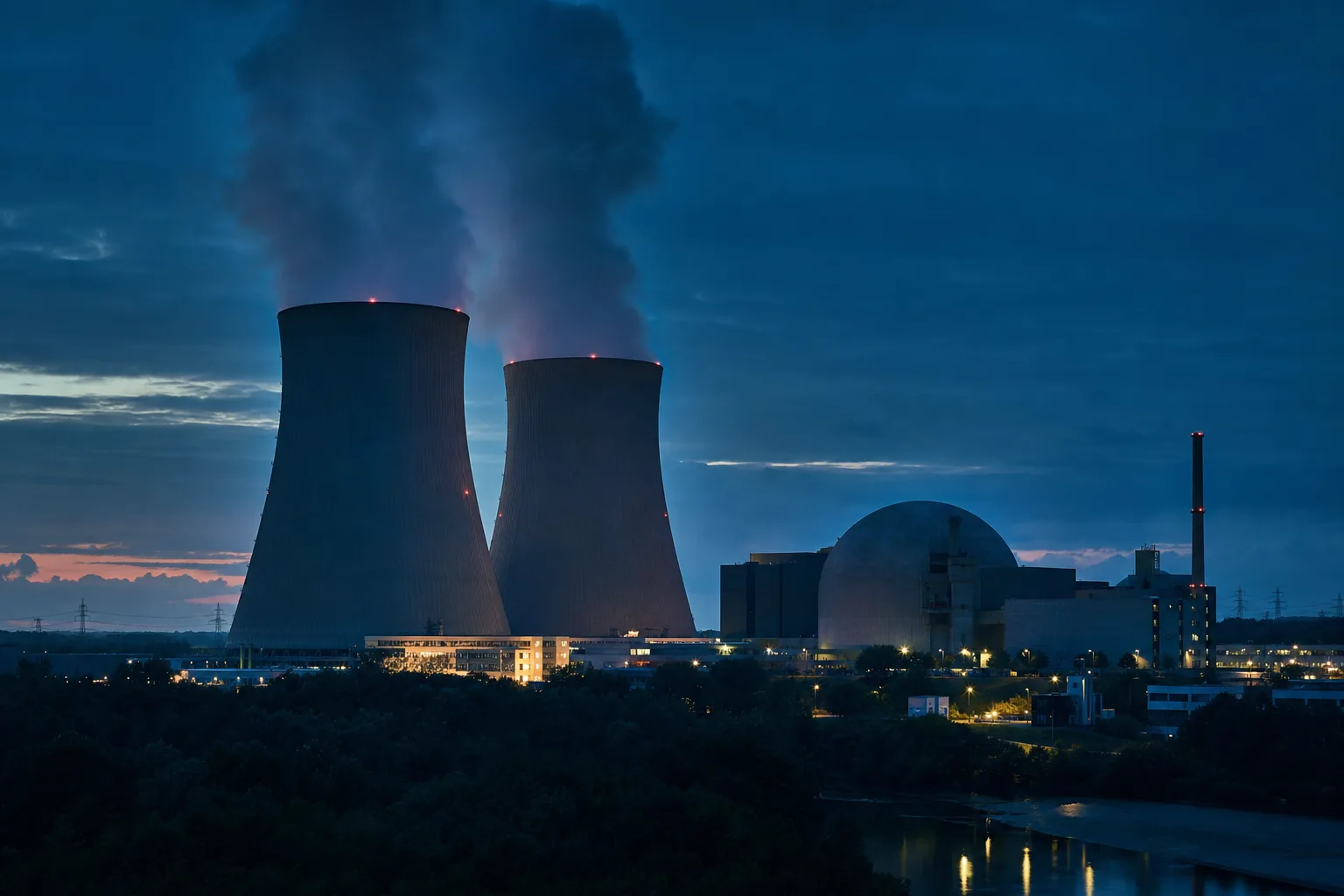
Control-room overview of a civil nuclear facility with operators at consoles.D.01
Core

Reactor systems & civil nuclear

Civil fission and selective fusion — SMR programmes, advanced reactors, inspection, decommissioning, and plant-life extension. Weapons-adjacent, autonomous lethal, and munitions pathways are outside mandate.

  • Small modular reactors (SMR)

    Factory-fabricated modules, passive safety cases, and licensing pathways where FOAK economics are priced honestly.

    SMRs are not one product category. Licensing cadence, forgings, and construction method determine bankability more than nameplate capacity. We diligence regulatory milestones, supply-chain depth, and whether FOAK cost is modelled as central case — not as a footnote.

    Declined — Reactor vendors whose only evidence is a rendering; programmes without a named competent authority review path.

  • Advanced fission & Gen-IV

    Molten salt, high-temperature gas, and sodium-cooled designs with published safety analysis and materials programmes.

    Gen-IV is interesting where chemistry and materials science are the moat — not where the moat is a slide comparing thermal efficiency to PWR. We read corrosion chemistry, tritium handling, and fuel qualification as engineering ledgers.

    Declined — Concept reactors with no hot-cell or loop-test history; any design whose civilian case depends on weapons infrastructure.

  • Selective fusion (civil pathway)

    Teams whose neutronics, tritium inventory, and first-wall lifetime are measured — not narrated.

    Fusion belongs in mandate only where the physics team has published diagnostics and the corporate structure is explicitly civil-only. Power balance, breeding blanket performance, and materials replacement intervals are the first three diligence files we open.

    Declined — Fusion companies differentiated by fundraising narrative; dual-use adjacency without governance separation.

  • Inspection, decommissioning & plant life

    Robotics, digital twins, and waste-characterisation tools that shorten outage and decommission schedules.

    The installed base of civil reactors is large and ageing. Inspection robotics, radiation mapping, segmentation tooling, and digital-twin maintenance reduce dose and downtime. These businesses sell into every jurisdiction regardless of which new-build design wins.

    Declined — Consultancies without proprietary sensors or software; services whose revenue requires defence clearance.

Metallographic sample of an alloy under microscope illumination.D.02
Matrix

Materials for extreme environments

Alloys, ceramics, composites, and coatings qualified for radiation, temperature, and corrosion extremes. Battery and semiconductor materials only where nuclear-adjacent or extreme-environment qualification is the wedge.

  • Radiation-tolerant alloys & welds

    Cladding, pressure-boundary alloys, and weld procedures with traceable irradiation exposure history.

    Coupon strength is table stakes. We want component-scale exposure, helium embrittlement behaviour, and a customer qualification path that survives regulatory audit. The investable edge is in test regimes and traceability, not in a single yield number.

    Declined — Lab-stage alloys with no named utility or OEM qualification sponsor.

  • Ceramics, carbides & composite structures

    Structural ceramics and CMCs for high-flux, high-temperature, or corrosive primary-loop service.

    Ceramics win where metals fail on creep and oxidation simultaneously. We look for reproducible densification, non-destructive inspection at production scale, and failure modes documented under thermal shock — not only under steady-state coupon tests.

    Declined — Aerospace-only composites with no nuclear qualification pathway stated.

  • Corrosion & surface coatings

    Barrier coatings, claddings, and electrochemical protection for primary and secondary chemistry.

    Primary-loop chemistry is unforgiving. Coatings and claddings that extend component life between outages have direct OPEX impact. We diligence field history in representative chemistry, not only accelerated bench tests.

    Declined — Consumer anti-corrosion products; coatings validated only in deionised water.

  • Semiconductor & battery materials (qualified wedge)

    Wide-bandgap, radiation-hard electronics, and electrochemistries where extreme-environment qualification is explicit.

    Consumer battery scale is not our mandate. We take positions where the wedge is qualification for radiation, temperature, or pressure — radiation-hard power electronics, sensors that survive LOCA regimes, or electrochemistries for remote monitoring in high-dose fields.

    Declined — Gigafactory-scale lithium plays with no nuclear-adjacent qualification story.

Radiation monitoring instrumentation on an industrial process line.D.03
Shield

Fuel cycle, safety & monitoring (non-weapons)

Fuel fabrication and handling, waste characterisation, radiation safety systems, and continuous monitoring — explicitly civil, non-weapons, and non-munitions.

  • Fuel fabrication & handling (civil)

    Pellet production, cladding, and dry-storage cask engineering for civil programmes.

    Fuel-cycle technology is investable where the customer base is civil utilities and research reactors, with export controls and governance documented. We read safeguards design and material accountancy as seriously as yield.

    Declined — Enrichment or handling technologies without published civil-only use case; any dual-use ambiguity left unresolved.

  • Waste characterisation & treatment

    Spectroscopy, cementation, and volume-reduction systems that change repository economics.

    Waste is a chemistry and logistics problem. Characterisation that reduces category uncertainty, and treatment that reduces volume, directly changes long-term liability. We prefer hardware with field deployments over simulation-only platforms.

    Declined — Deep-geologic repository advocacy without operating technology; promises of transmutation without physics programme.

  • Radiation monitoring & dosimetry

    Area monitors, personal dosimetry networks, and source localisation for plants and industrial sites.

    Monitoring is the feedback loop for every other safety system. Semiconductor and scintillator advances are opening lower-power, higher-resolution networks. We diligence calibration traceability and regulatory acceptance in target jurisdictions.

    Declined — Dashboards that visualise third-party sensors without proprietary detection physics.

  • Safety systems & severe-accident mitigation

    Passive heat removal, filtered venting, and hydrogen management for beyond-design events.

    Post-Fukushima retrofits created a durable market for severe-accident mitigation hardware. New-build designs embed many functions passively; the retrofit layer remains large for decades. We invest in components with type-tested evidence, not policy slides.

    Declined — Autonomous lethal systems; any product line marketed for area denial or munitions.

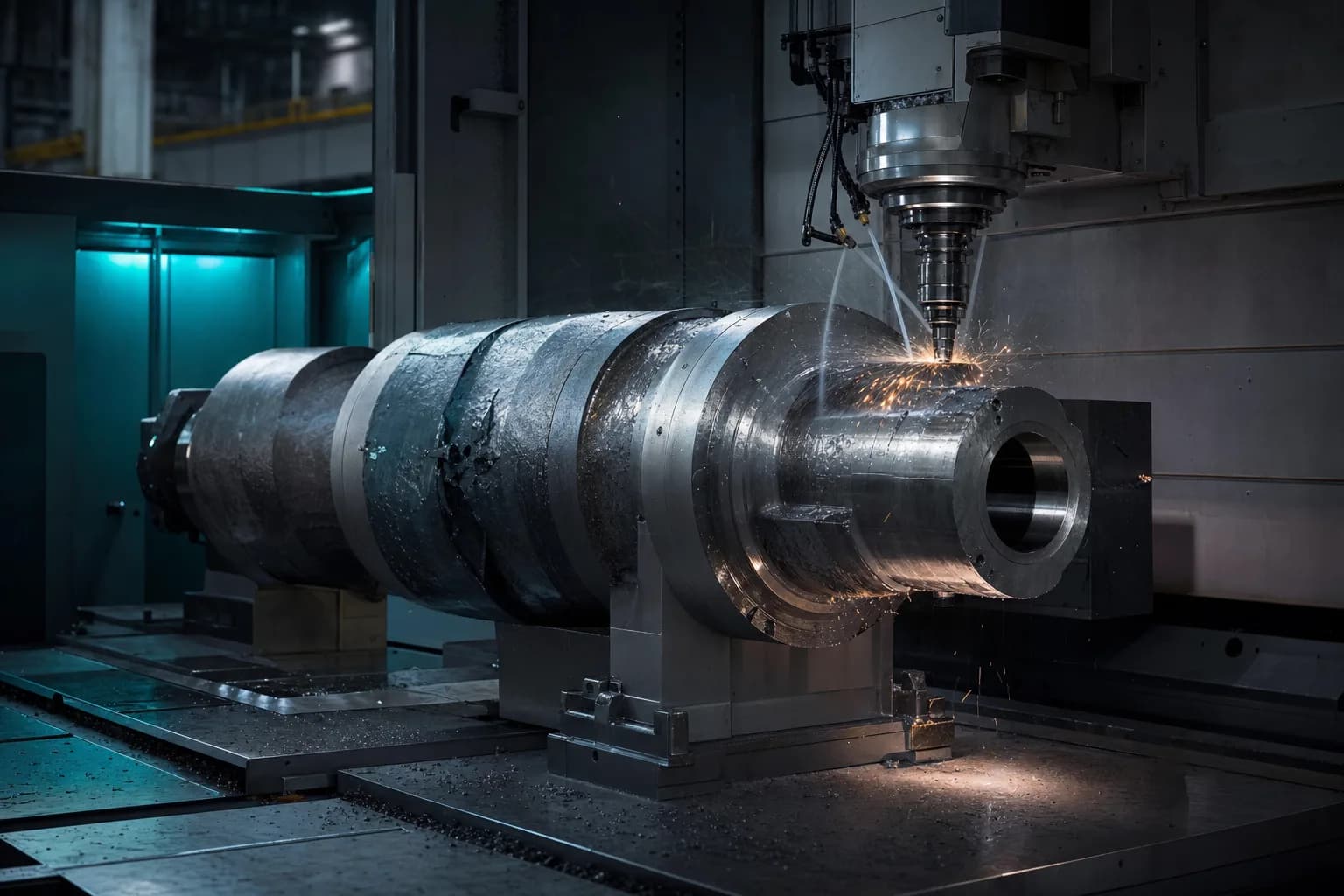
Precision machining of a reactor-grade component in a clean manufacturing bay.D.04
Forge

Pilot scale, qualification & manufacturing

Pilot plants, hot cells, NDT at production scale, and modular manufacturing that compresses time from qualified coupon to shippable component.

  • Pilot plants & demonstration loops

    Integrated loops that generate regulatory-grade data, not only investor-grade slides.

    A pilot loop is valuable when its instrumentation plan is agreed with a future customer or authority. We map capex to the specific data package it buys — corrosion, creep, tritium permeation — and whether that package unlocks the next financing gate.

    Declined — Pilot projects whose only output is a press release; loops with no chemistry representative of service.

  • Hot-cell & remote handling

    Telemanipulators, shielded windows, and automation that reduce dose in maintenance and decommissioning.

    Dose is an economic variable. Remote handling that cuts person-rem per task changes outage economics and decommission schedules. We prefer teams with operating hot-cell hours, not only CAD models.

    Declined — Laboratory manipulators with no industrial maintenance contract.

  • NDT & quality systems at scale

    Ultrasonic, eddy-current, and CT workflows integrated into production lines with digital twins.

    Qualification fails in manufacturing variance. NDT companies that own the algorithm and the scanner, with traceable false-call rates at line speed, sit at the choke point between prototype and fleet deployment.

    Declined — Manual inspection boutiques without reproducible automation path.

  • Modular manufacturing & supply resilience

    Reactor-grade machining, additive for complex geometries, and regional forging capacity.

    Western civil programmes will not scale without rebuilding forgings, specialty welding, and modular assembly. We invest in capacity that multiple OEMs can share — the layer beneath winner-takes-most reactor bets.

    Declined — Generic job shops without nuclear QA codes; reshoring stories without qualified procedures.

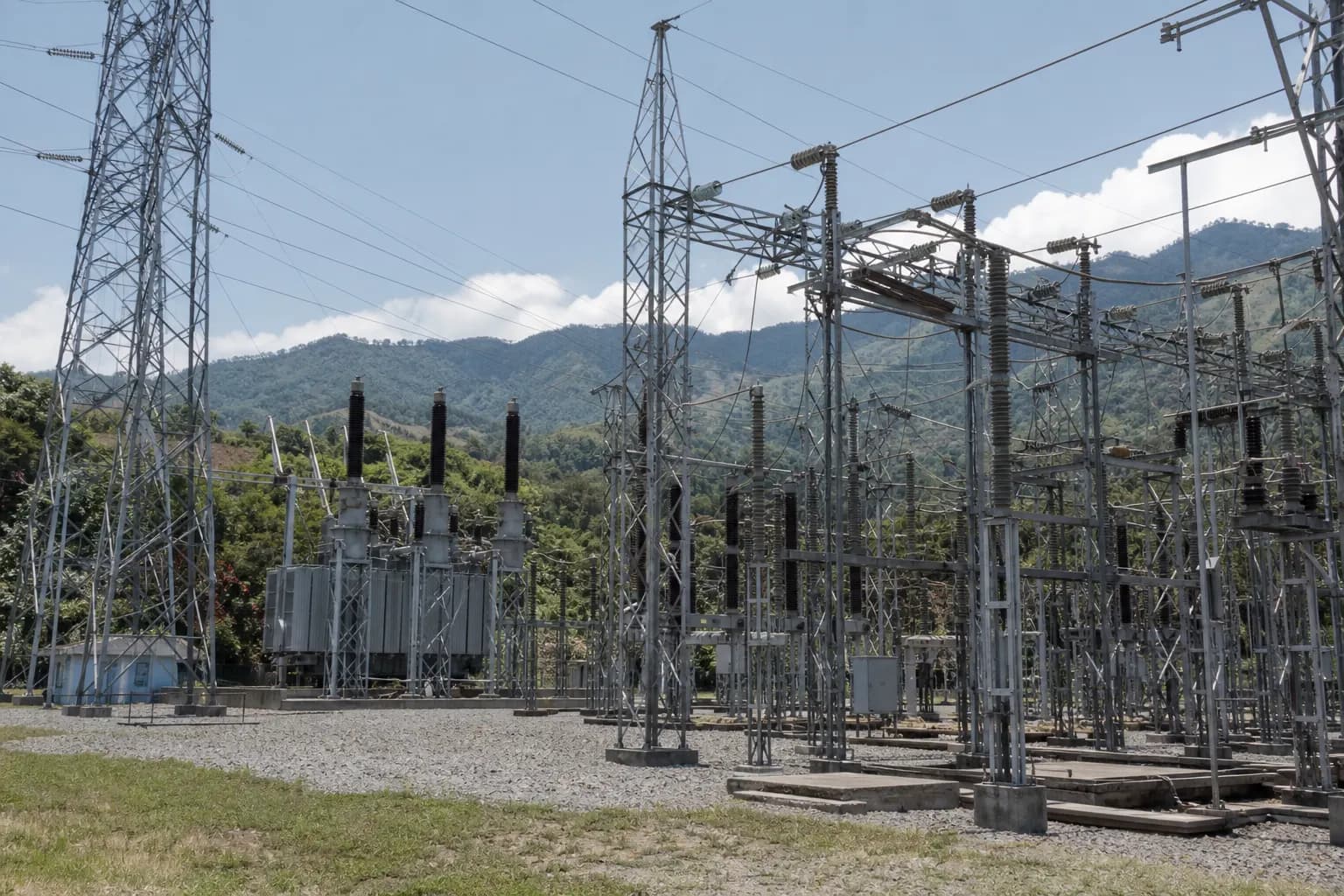
High-voltage substation equipment against an industrial skyline.D.05
Grid

Power generation, grid & efficiency

Thermal and firm generation plant, transmission and distribution hardware, plant control and balancing, and industrial efficiency where the saving is metered rather than modelled.

  • Plant systems & balance of plant

    Turbines, heat exchangers, steam cycles, and control systems common to every firm generator.

    Balance of plant is where a generating asset actually wins or loses on availability. The same steam cycle, feedwater chemistry, and control hardware serve nuclear, geothermal, and thermal plant, so a qualified supplier sells across the fleet regardless of which primary technology is chosen.

    Declined — Retrofit consultancies without proprietary hardware; efficiency claims with no metered baseline.

  • Transmission & distribution hardware

    Switchgear, transformers, HVDC components, and cable systems where lead times gate deployment.

    Grid hardware is now the binding constraint on connecting new generation. Transformer and switchgear lead times run to years. We invest in manufacturing capacity and component technology that shortens interconnection, not in software that visualises the queue.

    Declined — Interconnection-queue dashboards; developers without equipment or manufacturing ownership.

  • Plant control, protection & balancing

    Instrumentation and protection systems that hold frequency and voltage as inertia falls.

    As synchronous inertia leaves the system, protection and fast-response control become safety-critical engineering rather than optimisation. We read type-test evidence and grid-code compliance in target jurisdictions the same way we read a licensing basis.

    Declined — Trading or forecasting platforms with no protection or control hardware of their own.

  • Industrial efficiency & heat recovery

    Waste-heat recovery, process electrification, and recuperation with measured payback.

    Industrial heat is the largest under-addressed energy demand. We back recovery and electrification hardware where the saving is metered at a real site with a named offtaker — efficiency is an engineering result, not a marketing category.

    Declined — Offset-linked efficiency models; savings evidenced only by simulation.

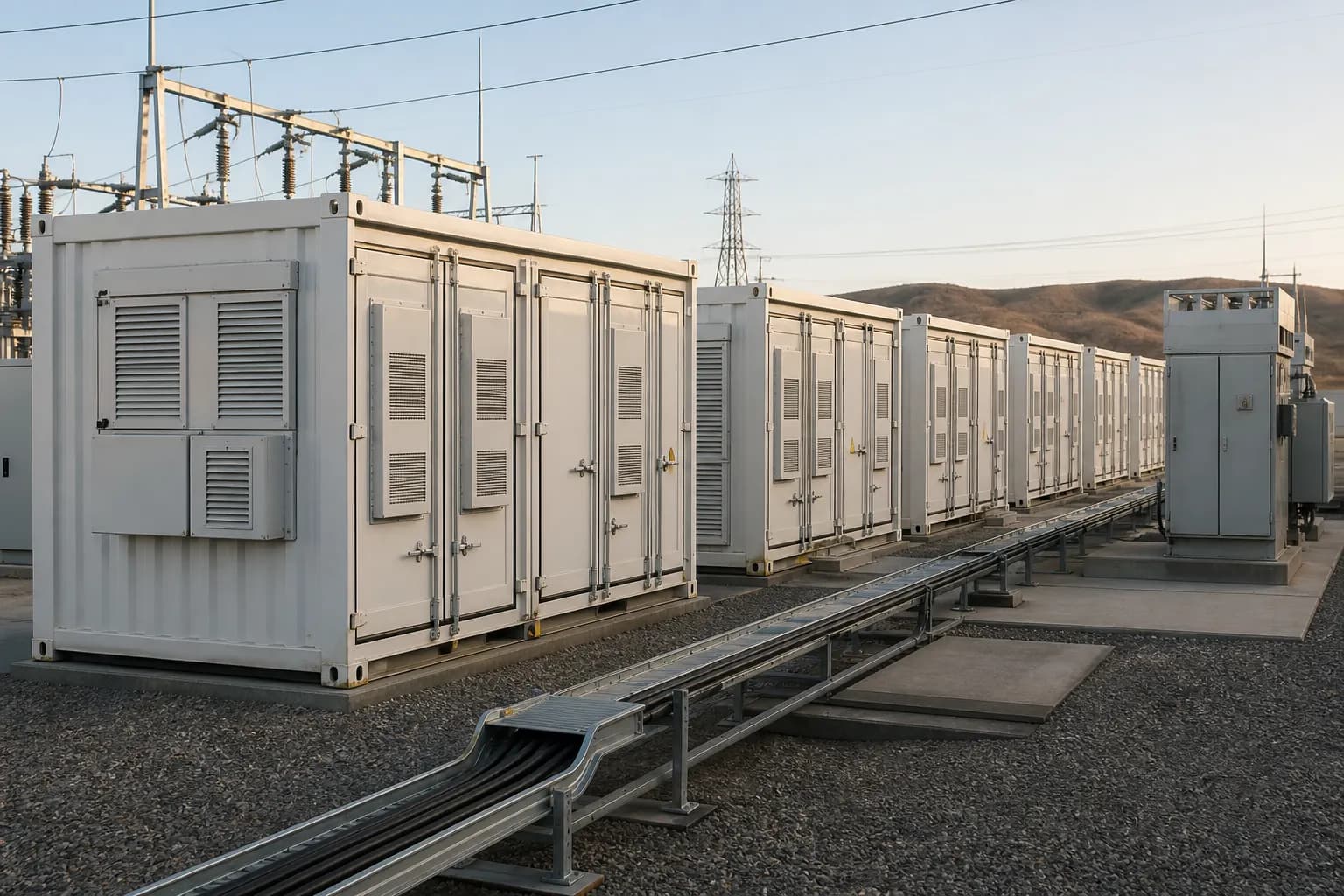
Battery module assembly line under inspection lighting.D.06
Cell

Energy storage & batteries

Cells, packs, and grid-scale storage — including long-duration and thermal storage — where cycle life, safety qualification, and manufacturability are demonstrated rather than projected.

  • Cells & electrochemistry

    Chemistries with measured cycle life, calendar ageing, and abuse-tolerance data.

    We read cell data the way we read alloy data: full cells rather than coin cells, cycle life at realistic C-rates and temperatures, and abuse testing to recognised standards. The investable question is whether the chemistry survives manufacturing variance, not whether it wins a lab benchmark.

    Declined — Coin-cell-only results; energy-density claims without cycle life or safety testing.

  • Grid-scale & long-duration storage

    Systems sized in hours to days, with a defended safety case and a real offtake route.

    Long-duration storage competes on installed cost per delivered kilowatt-hour over a full life, not on nameplate. We diligence containment and thermal-runaway propagation, permitting precedent, and whether the revenue stack survives without a single subsidy line.

    Declined — Storage developers without technology ownership; projects whose economics require one subsidy to exist.

  • Packs, BMS & safety systems

    Pack architecture, management electronics, and propagation control that pass type testing.

    Most storage failures are pack and management failures, not cell failures. Battery management, sensing, and propagation-resistant architecture are the qualification bottleneck and the durable engineering moat. Radiation-hard and high-temperature variants also serve plant service.

    Declined — Management software without sensing hardware; packs with no type-test or certification route.

  • Materials, recycling & supply chain

    Cathode and anode processing, separators, and recovery routes with real feedstock contracts.

    Storage supply chains are a chemistry and logistics problem, closer to fuel-cycle work than to consumer electronics. We back processing and recovery technology with secured feedstock and demonstrated purity at pilot scale, in the regions we cover.

    Declined — Recyclers without feedstock agreements; processing claims unproven beyond bench scale.