← Overview
Doctrine
How we invest.
What we publish is what we do.
Civil nuclear industry is the core of what we do. Around it we back the power, storage, and materials businesses that share the same qualification culture. This page is the public version of how we think, what we back, and what we pass on.
MandateCivil nuclear, led
One core, three adjacencies.
StageSeed — Series B
Lead or co-lead.
Cheque€5–20M initial
Follow-on when warranted.
GeographyEurope · Asia · Africa · Gulf · LatAm
Five regions we cover.
One core, three adjacencies
Civil programmes onlyNuclear industrial
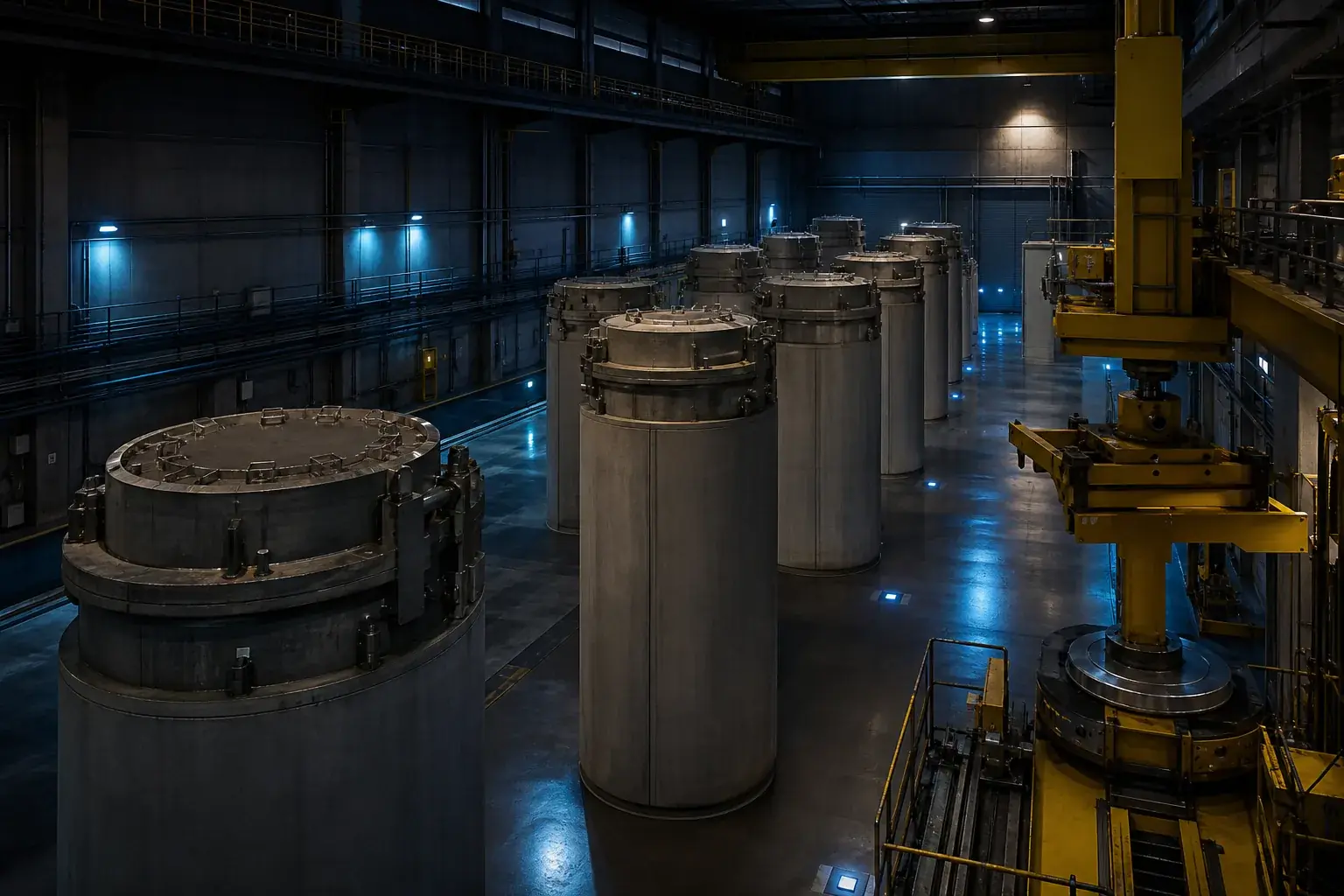
Small modular reactors, advanced fission, selective fusion where the physics is measured, plus inspection, decommissioning, monitoring, and waste handling. This is the core mandate and the largest share of the portfolio. We do not back weapons, munitions, or autonomous lethal systems.
Qualified for harsh serviceAdvanced materials
Alloys, ceramics, composites, and coatings that survive radiation, heat, and corrosion in real plant conditions. The investable edge is who signs the qualification letter and on what test matrix — not a single yield number.
Hardware, not dashboardsPower generation, grid & efficiency
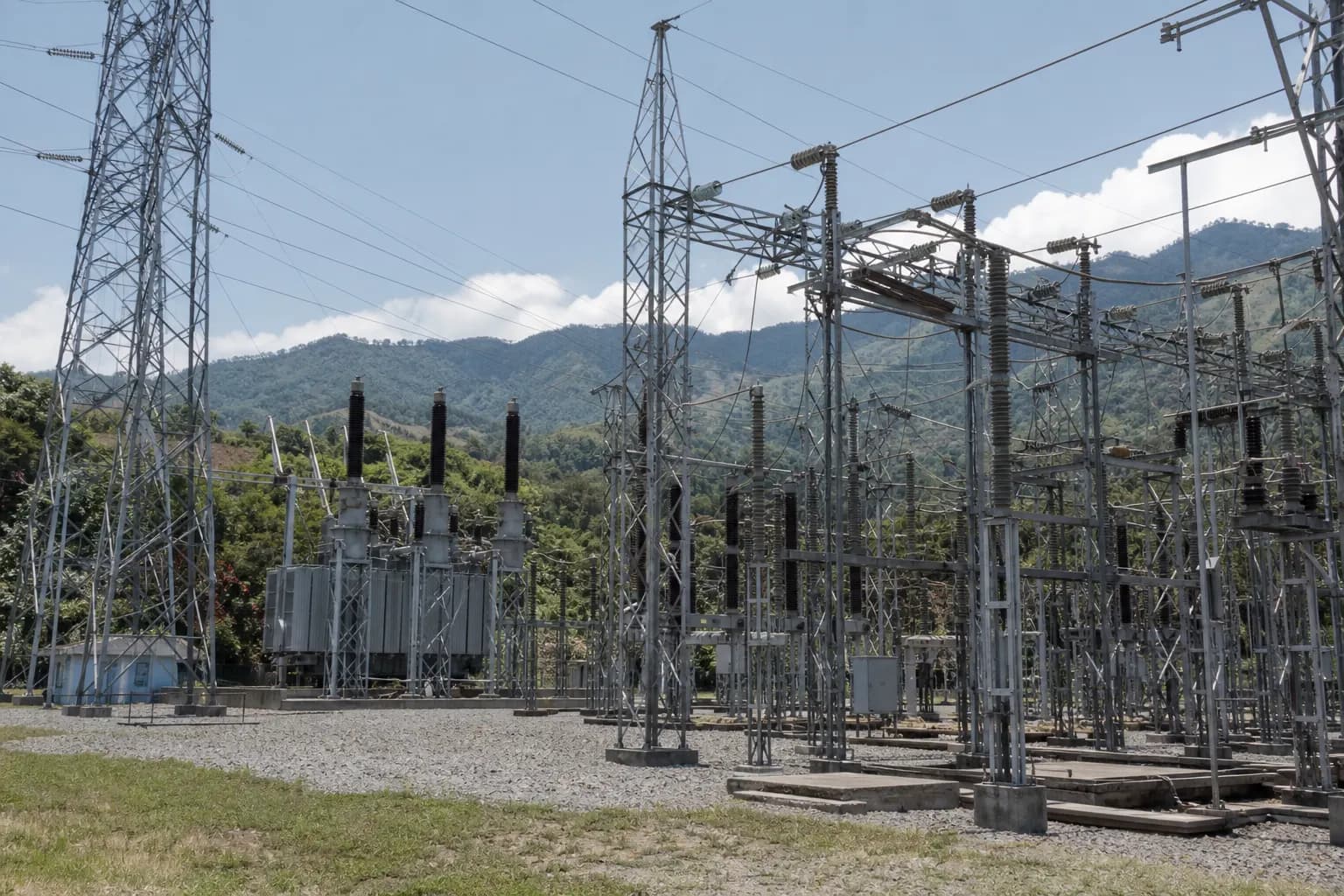
Balance-of-plant equipment, transmission and distribution hardware, protection and control systems, and industrial heat recovery. Grid equipment lead times now gate every new generator, nuclear included, which is why this sits next to the core rather than away from it. Efficiency counts when the saving is metered at a real site.
Full-cell evidence onlyEnergy storage & batteries
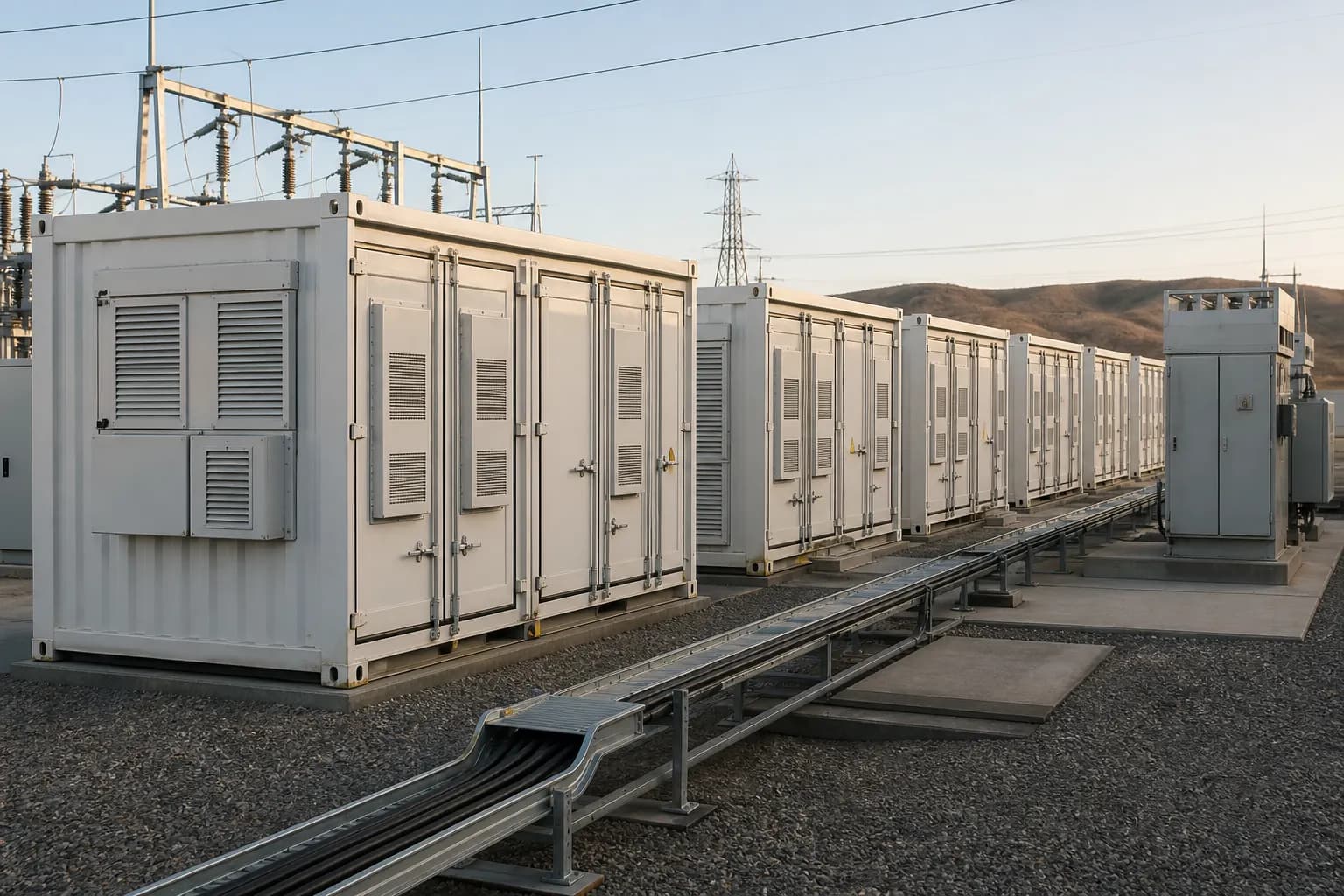
Cells with measured cycle life and abuse testing, grid-scale and long-duration systems with a defended safety case, packs and management electronics that pass type testing, and the processing and recovery chain behind them. We read cell data the way we read alloy data.
Terms we work to
Seed through Series B. We lead or co-lead. First cheques are typically €5–20M when we lead or co-lead, with follow-on reserved when milestones warrant it.
We run technical work ourselves: neutronics, materials test history, fuel-cycle controls, manufacturing QA. We do not outsource the hard questions to a reference-call roster.
Europe, Asia, Africa, the Gulf, and Latin America. We need to be close enough to visit the plant, meet the regulator, and read the chemistry on site. We add a region when we can do that, not before.
We expect to stay on the register through later rounds and into a strategic outcome. These businesses do not fit a two-year exit calendar.
From first email to term sheet
- 01
First read
5 business daysA member of the investment team reads the deck and replies. Technical passes get technical objections — not template declines.
- 02
Technical diligence
4 – 8 weeksNeutronics summaries, materials test matrices, fuel-cycle governance, manufacturing QA. Led in-house — no outsourced reference-call theatre.
- 03
Conviction memo
About 1 weekWritten memo against the standing thesis for the ring. Dissents recorded in the file and re-read at year-end.
- 04
Commit
≤ 2 weeksWe lead or co-lead. Terms reflect decade-long industrial timelines, not exit-optimised cap tables.
- 05
After close
Long-termWe expect to follow on where performance warrants. Board posture: founders run the company; we help when asked.
Hard filters
Public list. Not a negotiating position. If your company is on it, we will not take a meeting.
- Weapons, munitions, or autonomous lethal systems, including unresolved dual-use cases.
- Defence programmes dressed up as civil energy or materials businesses.
- Climate models built on offsets without real industrial buyers.
- Lab materials with no sponsor willing to sign a qualification path.
- Fusion or fission teams whose main proof is fundraising slides, not measurements.
- Cell or storage claims resting on coin-cell data, with no full-cell cycle life or abuse testing.
- Retail energy resellers, trading desks, and efficiency stories whose savings are simulated rather than metered.
- Software that only visualises someone else's sensors, reactors, or meters.
Common questions
Do you invest in defence or weapons-adjacent technology?
No. Civil programmes only, across every pillar. If there is dual-use risk, we need it resolved before a first meeting.
Do you lead rounds?
Yes, at Seed through Series B. We do not take small passive stakes just to keep a foot in the door.
What should a first email include?
One paragraph on what the company does, your stage and round size, and a sentence on qualification or regulatory status if technology is the product. A deck helps but is not required for a first reply.
Do you invest outside Europe, Asia, Africa, the Gulf, and Latin America?
Rarely. When we do, the technology must have been built in those regions. We do not pretend to know every regulator worldwide.
Is this still a nuclear fund?
Yes. Civil nuclear is the core and the largest share of the portfolio. The adjacent pillars exist because they share the same qualification culture and often the same customers, not because we widened the fund to chase deal flow.
How do battery and storage companies fit now?
As a full pillar. We want measured full-cell cycle life, abuse and propagation testing to recognised standards, and a certification route. Coin-cell data alone is still a decline.
Will you sign an NDA before a first call?
No. Once diligence starts we use a normal mutual NDA. Until then, keep sensitive detail at the level you are comfortable sharing publicly.
What do you never invest in?
See the hard filters on this page. The short version: weapons, offset-led climate plays, dashboard companies, and science without a qualification path.
What do you expect from founders after investment?
Straight talk when something breaks. Time in the plant or hot cell, not only on the roadshow. A short written update each month that we actually read.
Ready to write?
First read within five business days. Technical passes get technical feedback.
Back to overview
 Core
Core