Core
Nuclear industrial
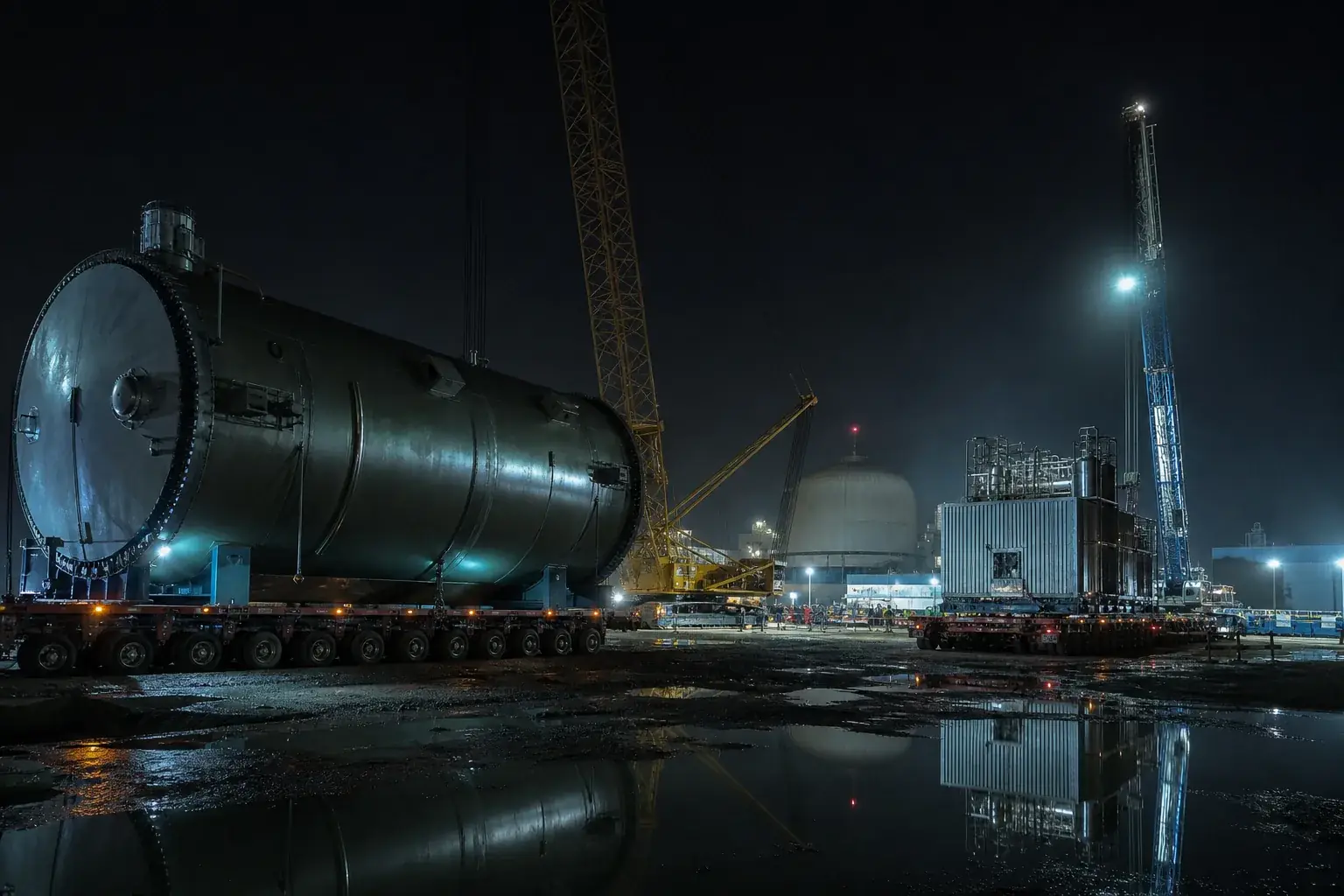
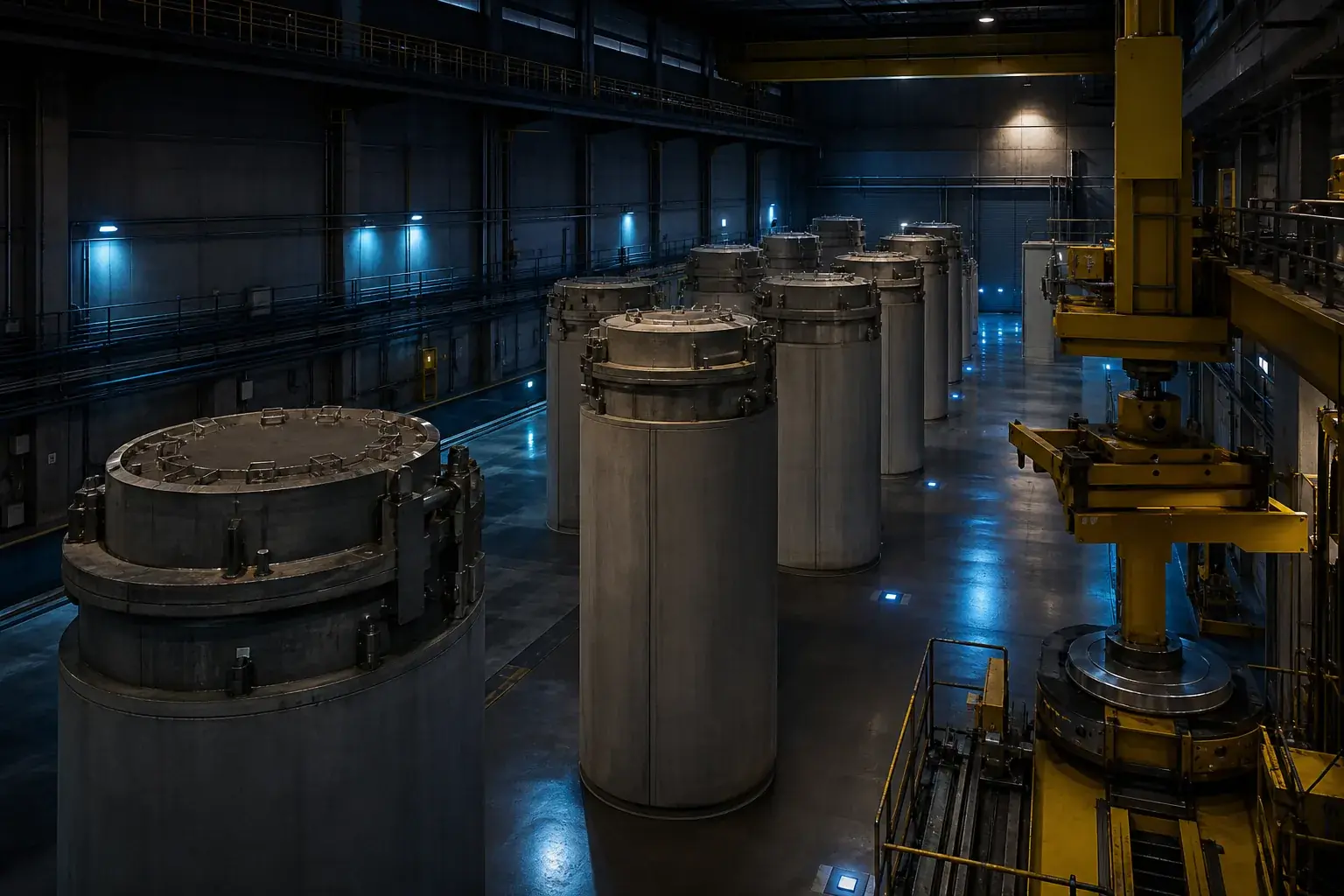
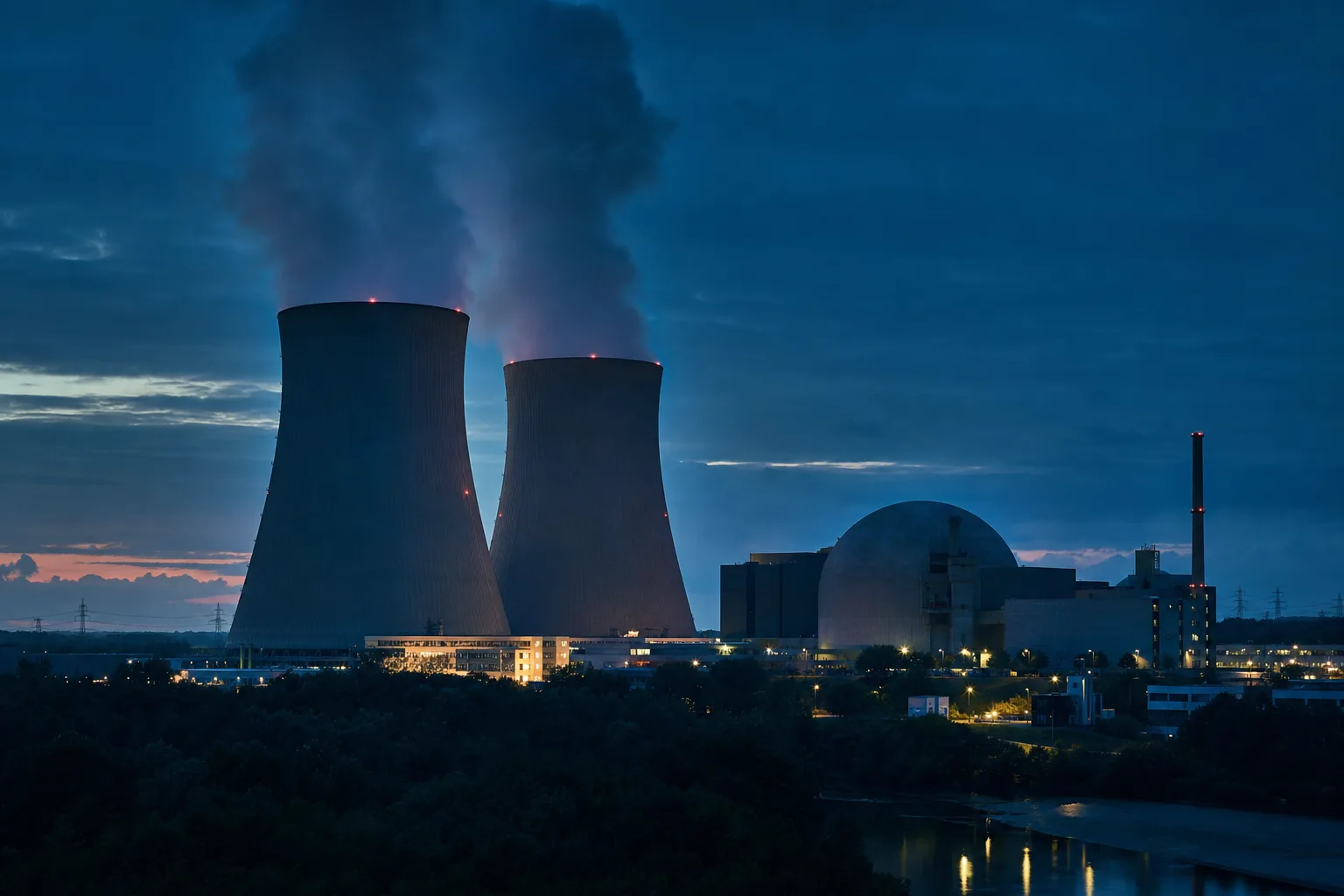
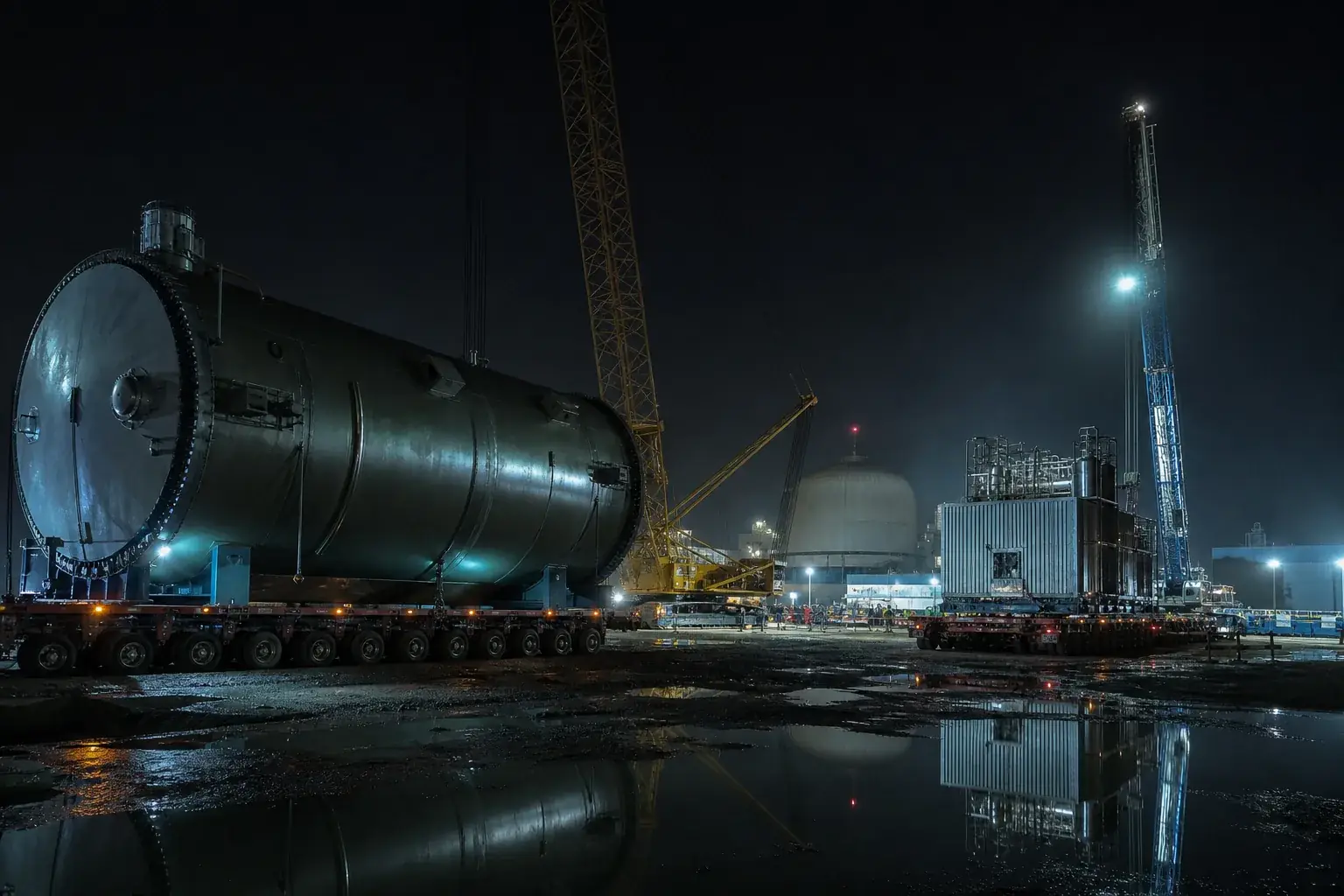
Small modular reactors, advanced fission, selective fusion where the physics is measured, plus inspection, decommissioning, monitoring, and waste handling. Civil programmes only, and the largest share of the portfolio.
Civil nuclear first — and the energy infrastructure around it.
We back founders building civil nuclear industry, and the power, storage, and materials businesses around it. What follows is what we publish about ourselves — stage, scope, and how we respond to inbound dealflow.
Mandate
1core + 3
Civil nuclear at the core; grid, storage, and materials adjacent to it.
Sector map
6rings
Reactors, materials, fuel cycle, qualification, grid, and storage — see the atlas.
First read
5days
Business days to a reply on inbound dealflow.
Civil nuclear at the core, with three adjacencies that share its qualification culture and run on different commercial clocks.
Core
Small modular reactors, advanced fission, selective fusion where the physics is measured, plus inspection, decommissioning, monitoring, and waste handling. Civil programmes only, and the largest share of the portfolio.
Adjacent I
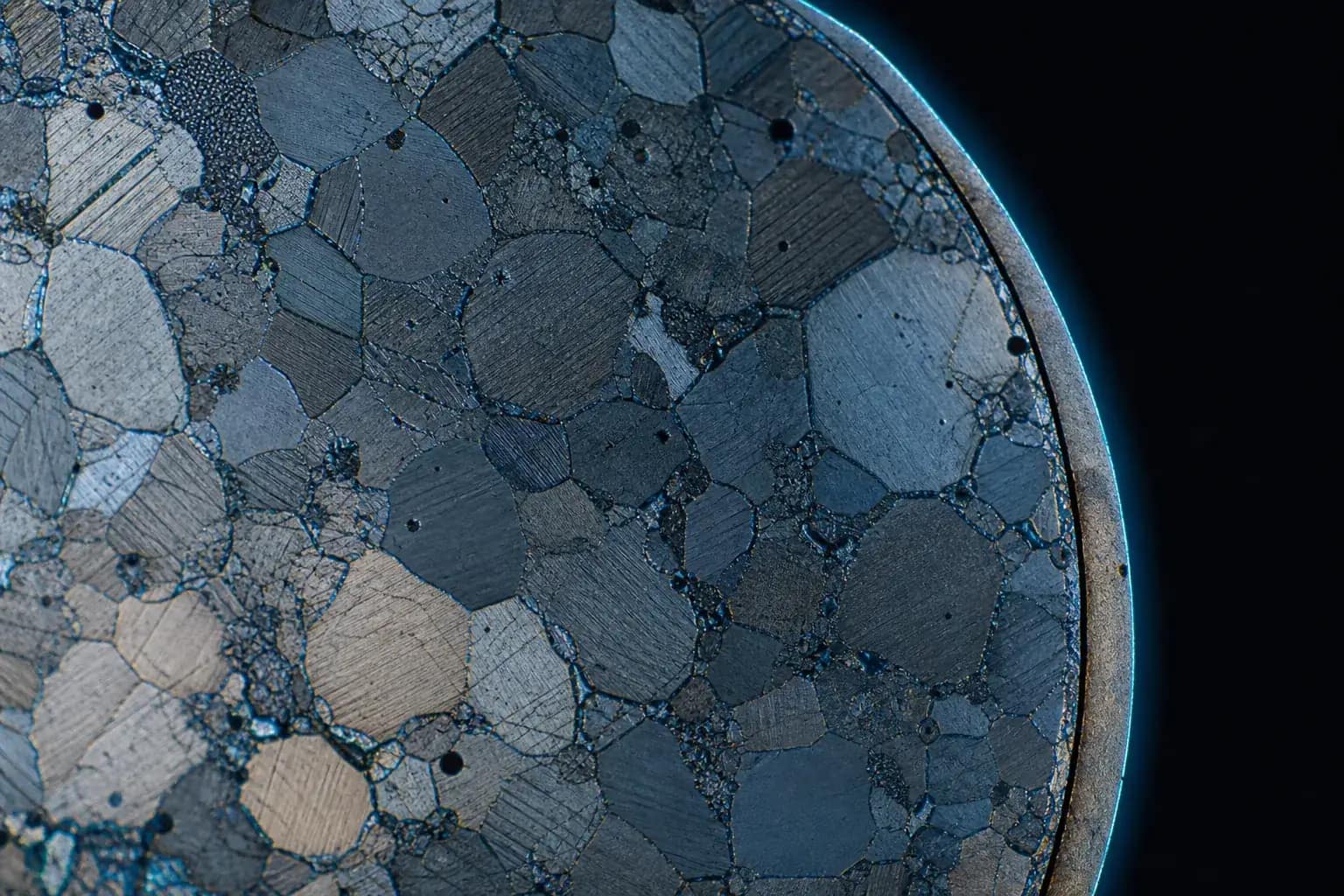
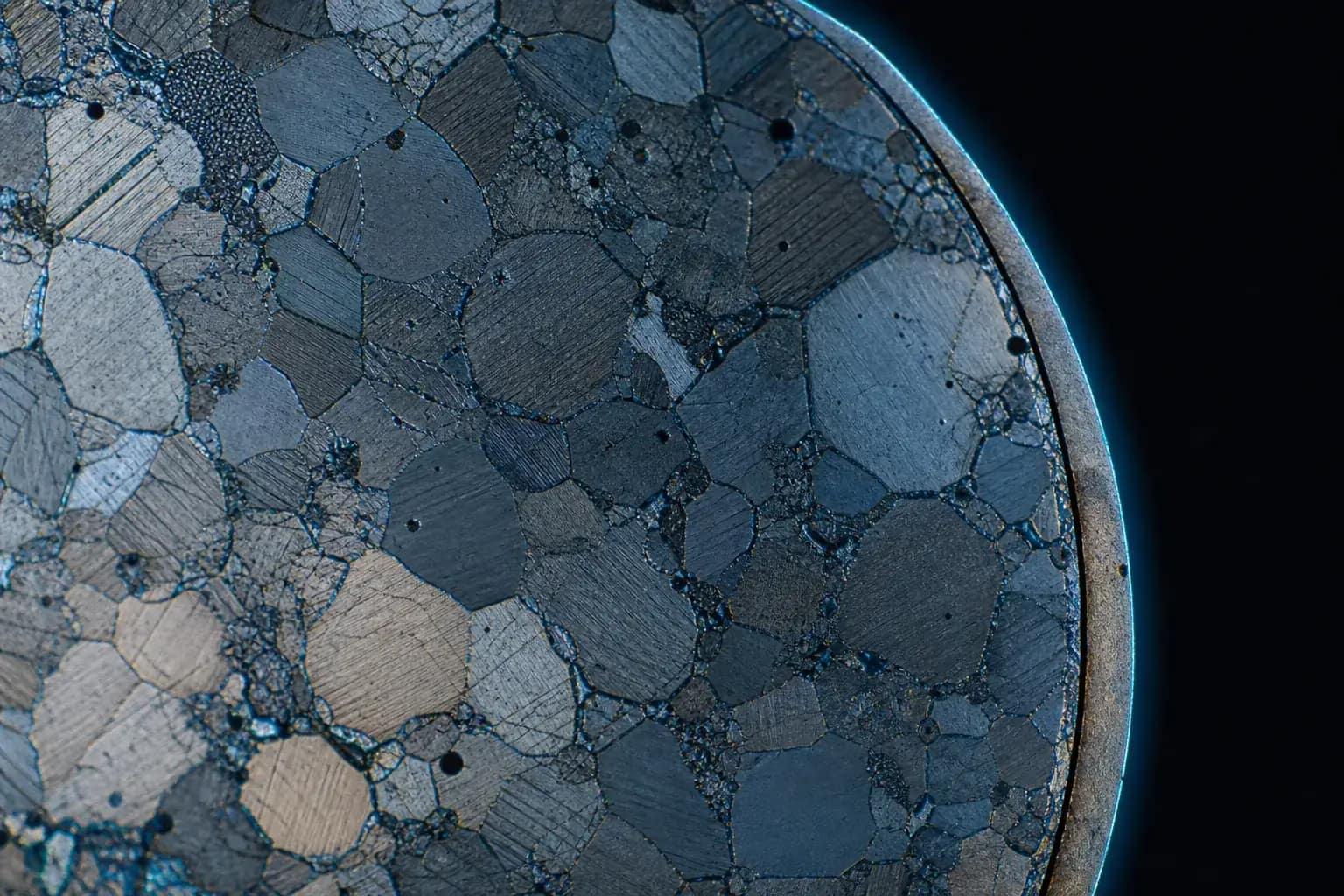
Alloys, ceramics, composites, and coatings qualified for radiation, heat, and corrosion. The moat is who signs the qualification letter, and on what test matrix.
Adjacent II
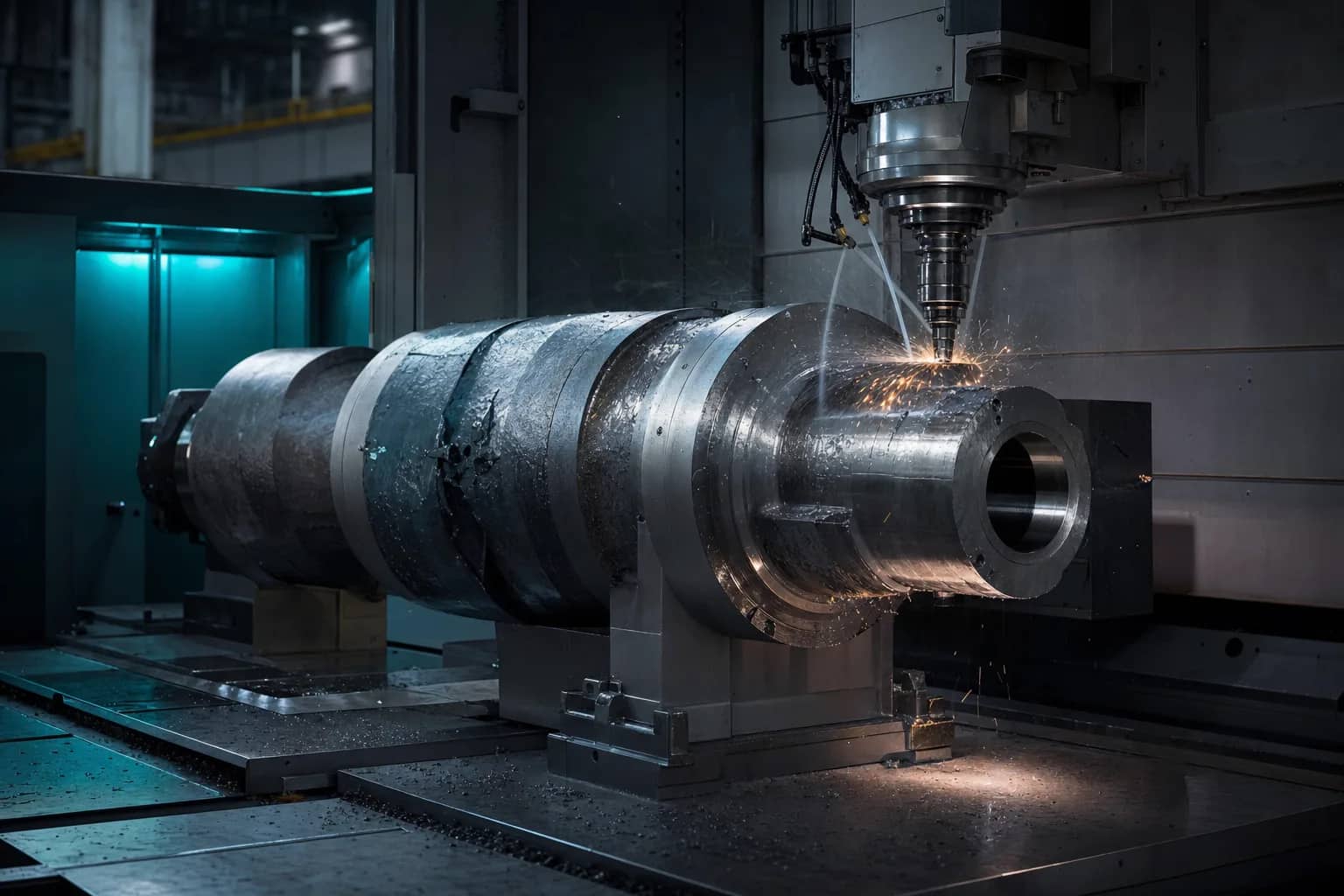
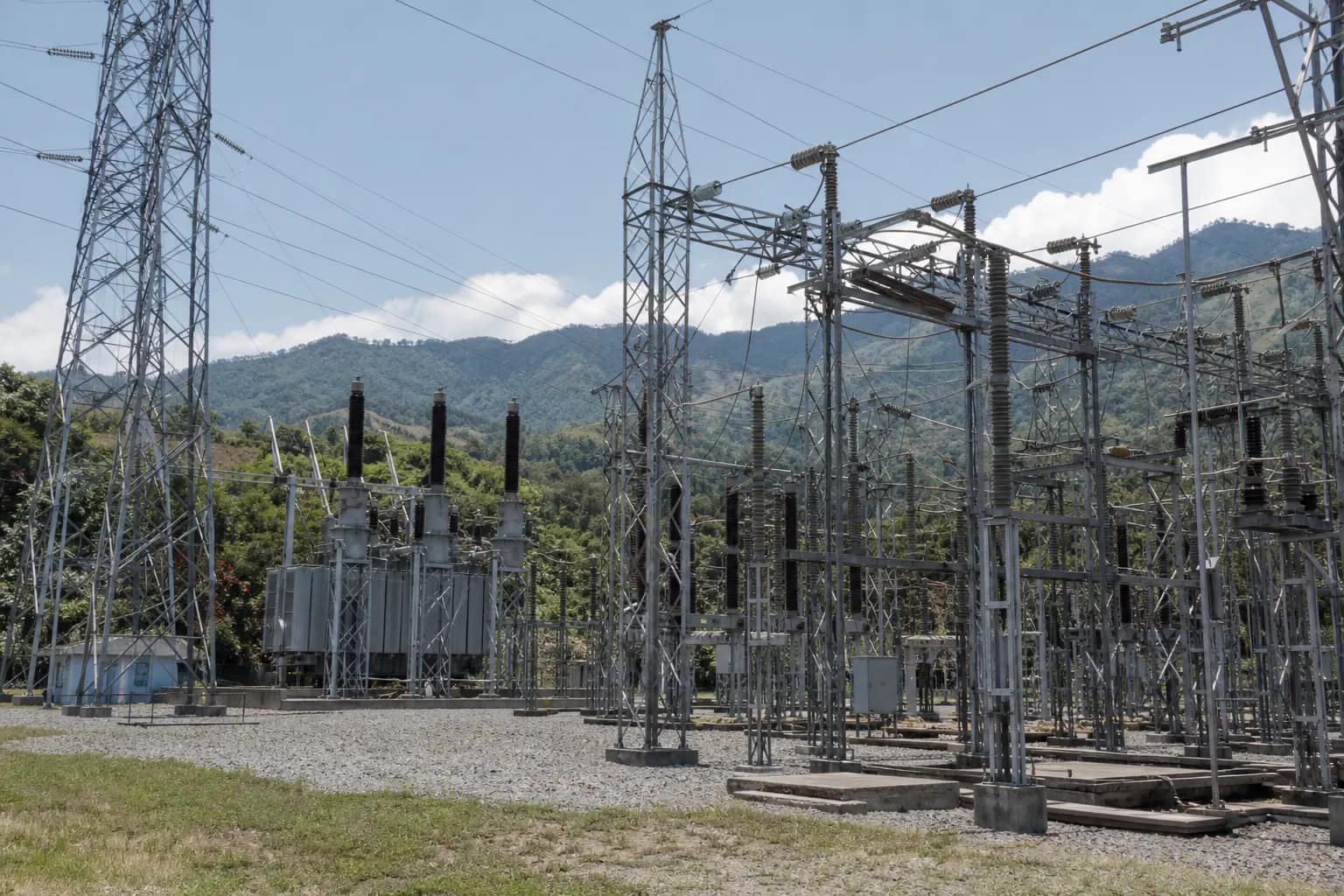
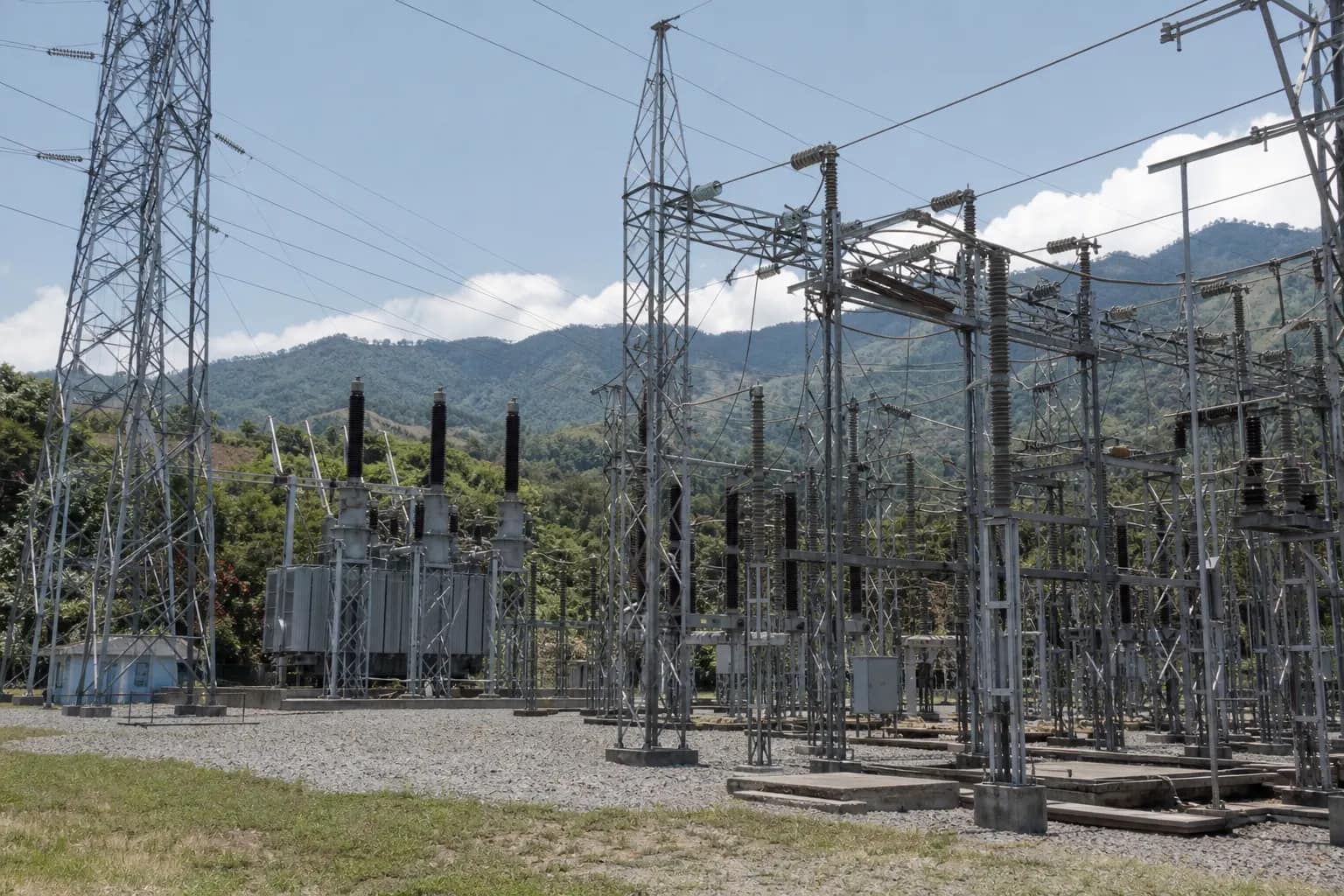
Balance-of-plant equipment, transmission and distribution hardware, protection and control. Grid lead times gate every new generator, nuclear included. Efficiency counts when the saving is metered.
Adjacent III
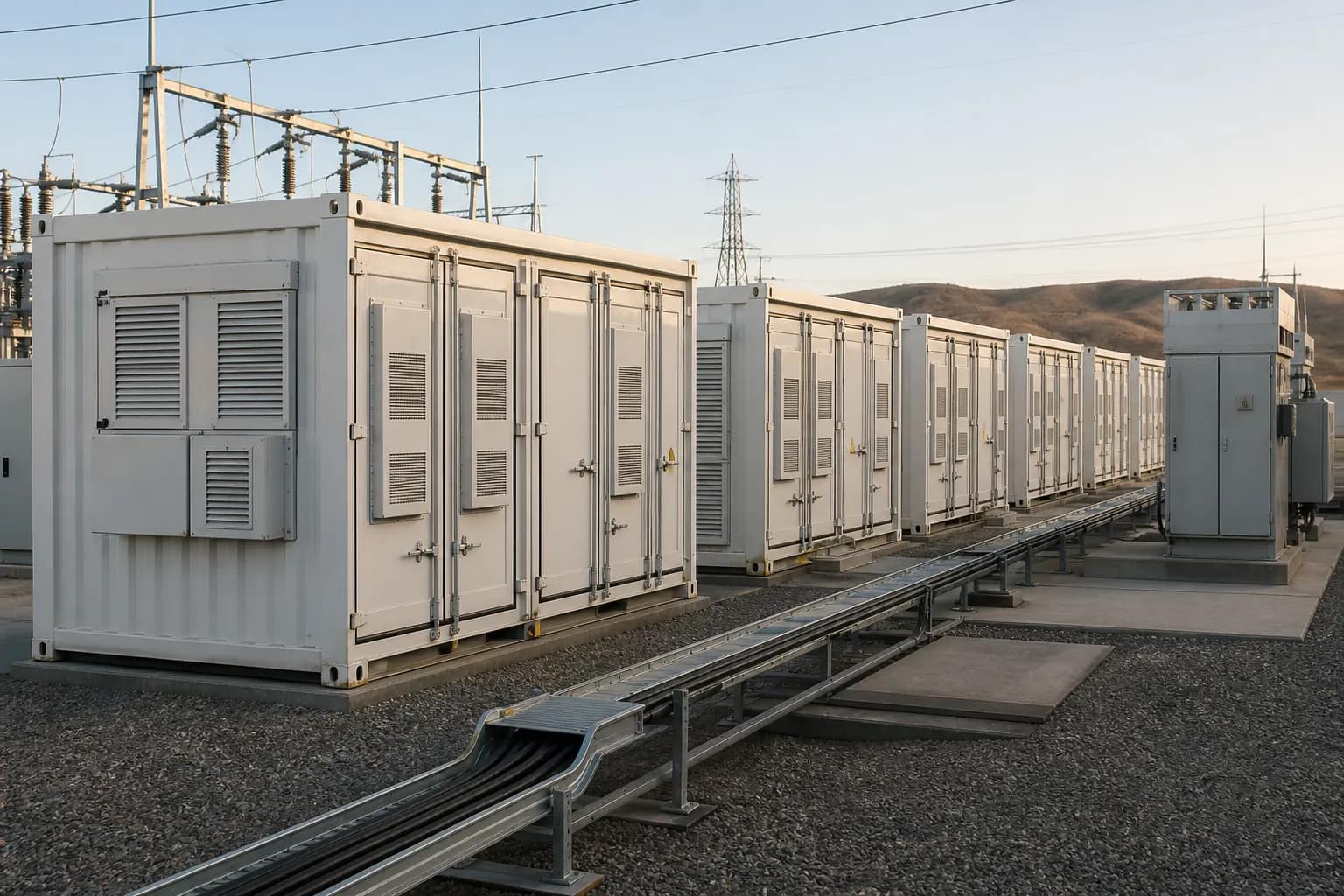
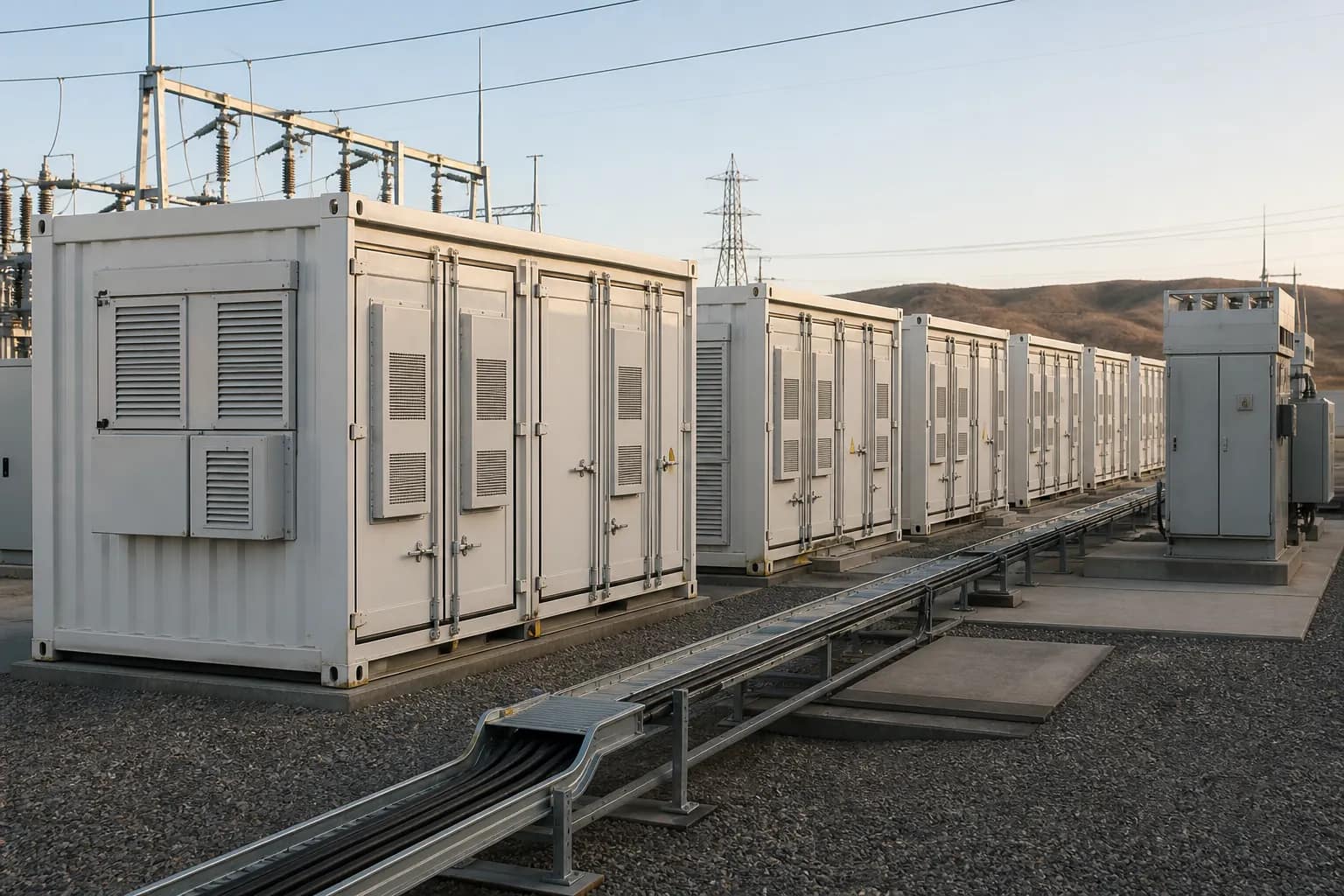
Cells with measured full-cell cycle life, grid-scale and long-duration systems with a defended safety case, packs and management electronics that pass type testing.
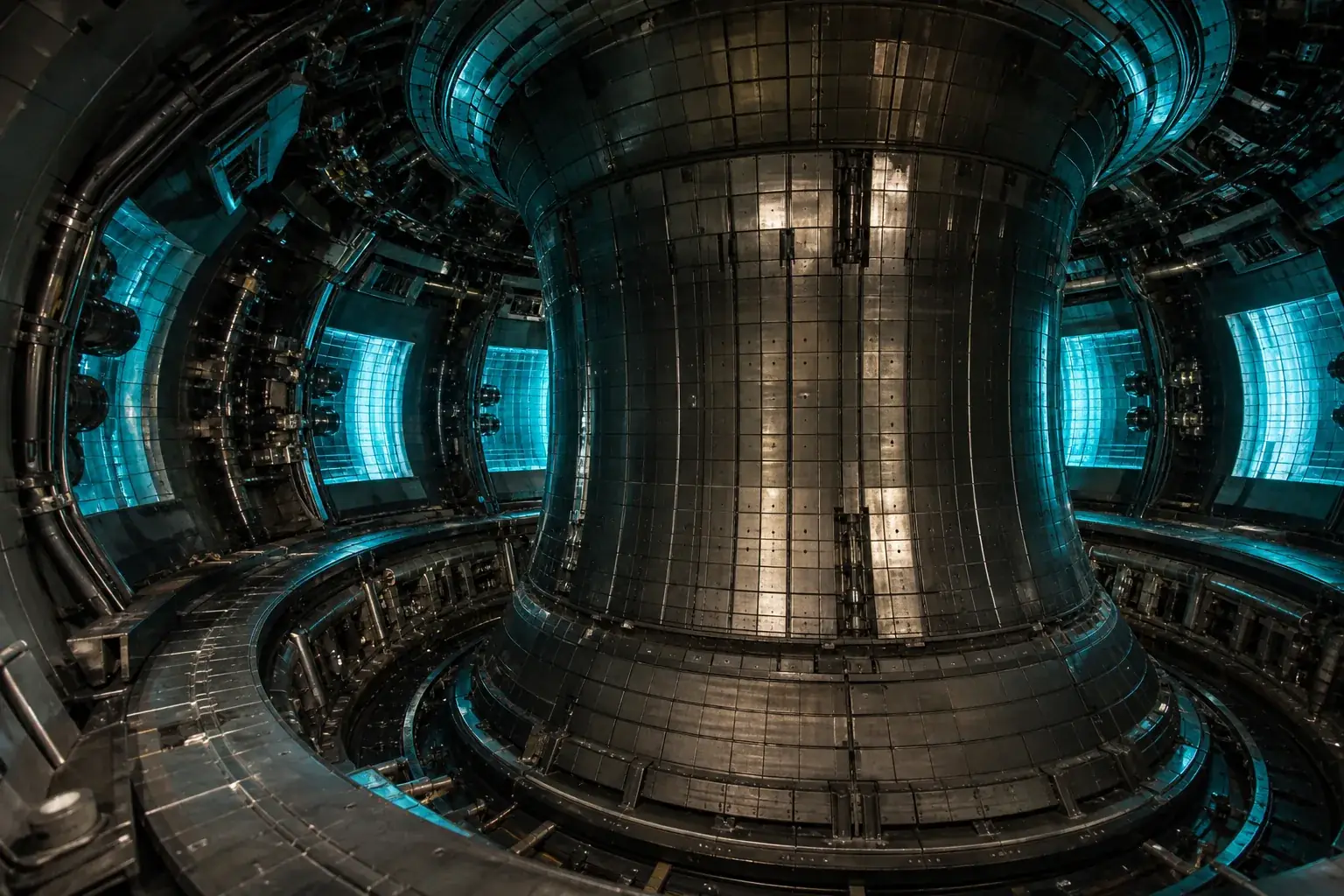
Technical diligence is led in-house — neutronics, materials qualification, and fuel-cycle governance read as engineering ledgers.
3 desks, one memo. Identities are disclosed in the first call — credentials are argued in the objections we send back.
Source terms, transient analysis, licensing basis documents — read in the original, not in summary.
Published safety analysis and a named competent-authority pathway.
Irradiation exposure history, weld procedures, test matrices, and who signs the qualification letter.
Component-scale evidence with a qualification sponsor on record.
Safeguards design, material accountancy, export controls, and civil-only corporate structure.
Dual-use ambiguity resolved in writing before the first meeting.
Five stages. Technical passes get technical objections — not template declines.
A member of the investment team reads the deck and replies. Technical passes get technical objections — not template declines.
Neutronics summaries, materials test matrices, fuel-cycle governance, manufacturing QA. Led in-house — no outsourced reference-call theatre.
Written memo against the standing thesis for the ring. Dissents recorded in the file and re-read at year-end.
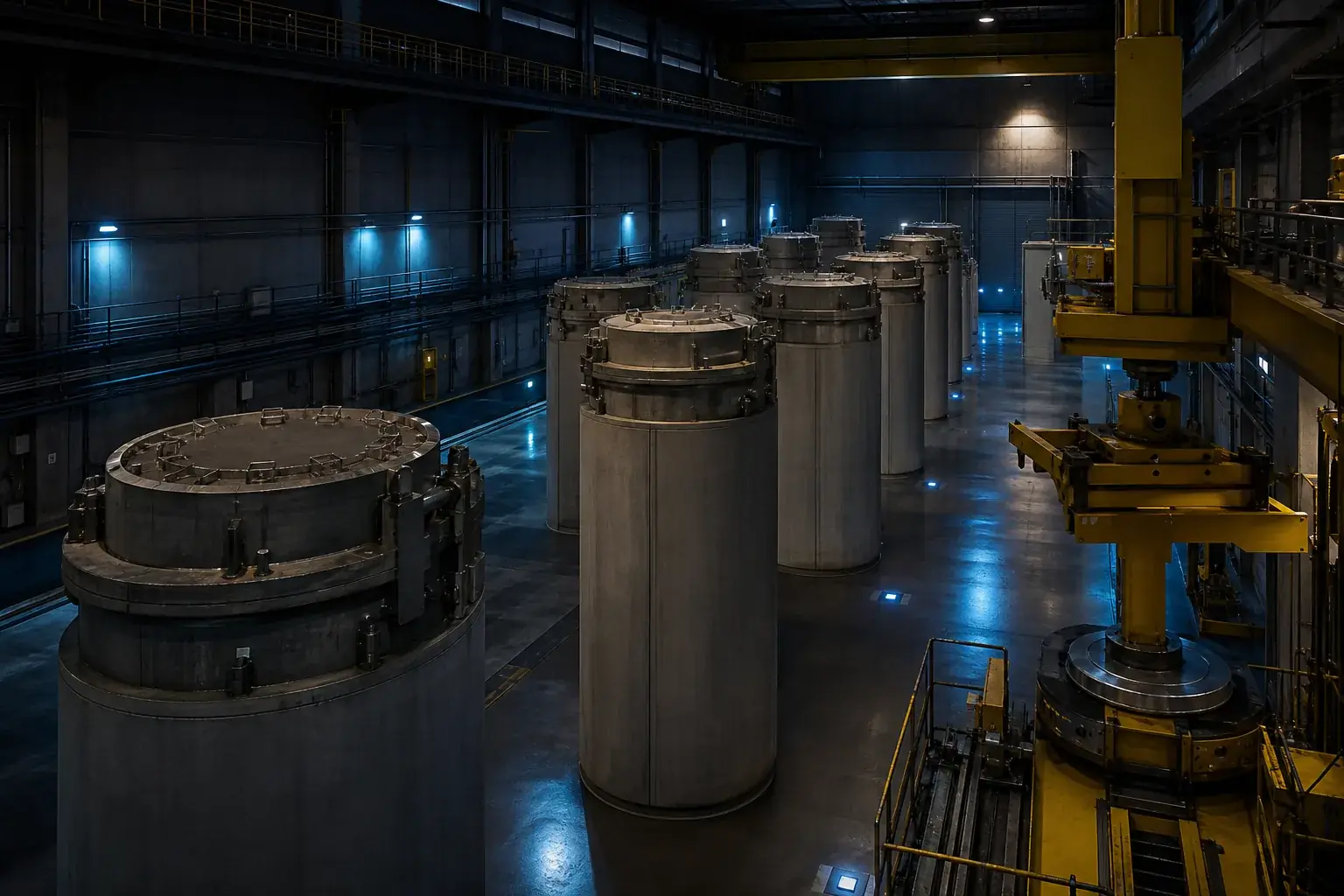
Public list. If your company fits one of these, we will not take a meeting.
Close enough to visit the hot cell, meet the regulator, and read the plant's chemistry.
6 public energy and radiation-safety programmes in the regions we cover. We back the suppliers and technology inside them — the layer beneath the programme, where qualification decides who wins.
First read within five business days. Include what the company does, stage, round size, and where you are on qualification or licensing.
contact@isotope-capital.comSector wire
Live third-party coverage of the mandate. Weapons and munitions reporting is filtered out.